Lindsay Lohan Brings a New Voice to Maggie Simpson in a Landmark Simpsons Moment
For more than three decades The Simpsons has remained one of the most recognizable and influential television series in the world. Its longevity is built on a delicate balance of tradition and reinvention, where familiar characters continue to evolve alongside cultural shifts. In a series known for satire celebrity cameos and unexpected creative choices one recent development stands out as particularly symbolic. Actress Lindsay Lohan has lent her voice to Maggie Simpson, the show’s famously silent infant, marking a rare and meaningful departure from one of television’s longest running traditions.
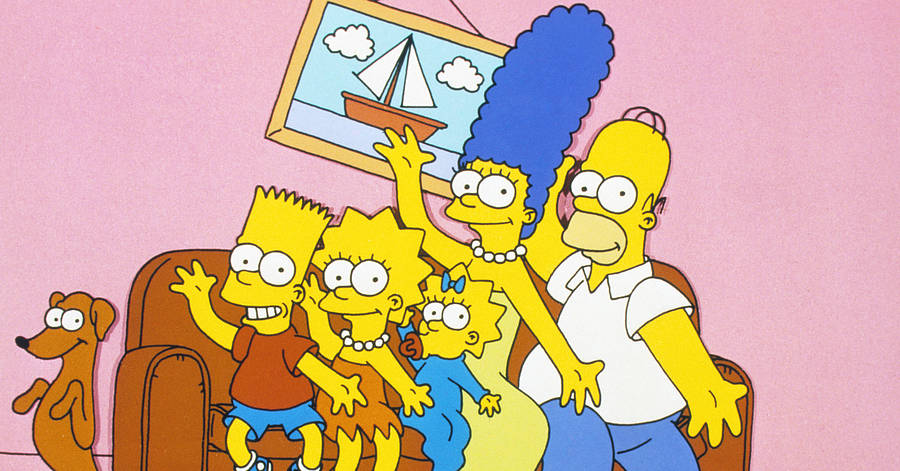
This moment is notable not only because Maggie rarely speaks but also because of who was chosen to give her a voice. Lindsay Lohan’s involvement represents a convergence of pop culture eras, blending the legacy of a classic animated series with the complicated and widely discussed career of a Hollywood figure who has experienced both immense fame and personal reinvention.
The decision to cast Lohan in this role speaks to the evolving nature of The Simpsons as well as the broader entertainment industry’s relationship with celebrity voice acting. It also offers a moment of reflection on how even the smallest character can become a powerful storytelling device when used sparingly and thoughtfully.
The Cultural Weight of Maggie Simpson
Maggie Simpson is unlike any other character on television. Since the show’s debut she has existed almost entirely without spoken dialogue, communicating instead through expressions actions and the iconic sound of her pacifier. This silence has become one of her defining traits and a source of humor and intrigue for viewers.
When Maggie does make a sound or speak even briefly it becomes an event. These rare moments are often designed to surprise audiences and add emotional depth or comedic irony. Because of this any decision to give Maggie a voice carries significant narrative weight and creative responsibility.
Over the years Maggie has symbolized innocence observation and the idea that not all characters need words to be impactful. Her quiet presence often contrasts with the chaos around her reinforcing the show’s satirical tone. Giving Maggie a voice therefore is never a casual choice. It signals intention and invites viewers to pay closer attention.
Why Lindsay Lohan Was Chosen
Casting Lindsay Lohan as the voice behind Maggie represents a layered decision that goes beyond novelty. Lohan emerged in the late nineteen nineties and early two thousands as one of Hollywood’s most recognizable young stars. Her performances in family friendly films and teen comedies helped define an era of popular entertainment.
At the same time her career has been marked by public scrutiny personal struggles and eventual retreat from the spotlight. In recent years Lohan has made a steady return to acting choosing projects that reflect a more measured approach to fame. Her involvement in The Simpsons can be seen as part of this broader narrative of reengagement with mainstream entertainment.
Producers often use celebrity casting not only to attract attention but to add symbolic resonance. Lohan’s voice carries familiarity nostalgia and cultural memory for many viewers. Pairing that voice with Maggie Simpson creates a moment that feels both unexpected and emotionally textured.
The Simpsons and Celebrity Voices
Celebrity guest appearances have been a cornerstone of The Simpsons since its early seasons. From musicians and movie stars to political figures and athletes the show has welcomed an extraordinary range of voices. These appearances often serve as both satire and celebration reflecting the show’s unique position within popular culture.
Unlike many animated series The Simpsons frequently allows celebrities to play exaggerated versions of themselves or to inhabit roles that comment on their public personas. This self awareness has helped the show remain relevant and adaptable across generations.
However giving a celebrity the voice of a core family member even briefly is far less common. This elevates the importance of the casting choice and underscores the trust placed in the performer. In this context Lohan’s role is not simply a cameo but a meaningful creative contribution.

The Episode Context and Narrative Purpose
The episode in which Maggie receives a voice is designed to justify the moment rather than treat it as a gimmick. Writers carefully craft scenarios where Maggie’s silence has narrative significance and where breaking that silence enhances rather than disrupts the story.
In this case Maggie’s voice functions as a device that reveals perspective emotion or humor that could not be achieved otherwise. The choice to limit the dialogue ensures that the moment remains special rather than becoming a permanent shift in character dynamics.
This approach aligns with The Simpsons’ broader philosophy of respecting its own mythology. While the show is unafraid to experiment it often returns to familiar foundations after exploring new ideas. Maggie’s voice therefore exists as a moment rather than a transformation.
Voice Acting as a Craft
Voice acting requires a different skill set from on screen performance. Without physical presence actors must convey emotion personality and nuance through tone pacing and inflection alone. For a character like Maggie whose identity is built on silence the challenge is even greater.
Lindsay Lohan’s performance demonstrates restraint and precision. Rather than overwhelming the character with excessive expression she delivers a voice that feels intentional and measured. This allows Maggie’s established personality to remain intact while offering a glimpse into her inner world.
The success of such a performance depends on understanding the character’s history and the expectations of the audience. In this respect Lohan’s work reflects careful collaboration with writers directors and producers who understand the importance of maintaining continuity.
Audience Reaction and Fan Response
Reactions to Maggie speaking are often intense precisely because of how rare the event is. Fans of The Simpsons tend to be deeply invested in the show’s traditions and deviations are closely scrutinized. In this case many viewers responded with curiosity excitement and appreciation for the thoughtful execution.
Discussions online and across entertainment media highlighted the symbolic nature of the casting as much as the moment itself. Viewers noted the blend of nostalgia and surprise and the way the episode balanced humor with emotional resonance.
Some fans expressed hope that such creative risks indicate renewed vitality within the long running series. Others emphasized the importance of using these moments sparingly to preserve their impact. Overall the response suggests that audiences remain engaged and invested in the show’s evolution.
Lindsay Lohan’s Career Through a New Lens
This role also invites renewed discussion about Lindsay Lohan’s career and public image. Once defined by youthful stardom and tabloid attention she has gradually reshaped her professional identity. Recent projects reflect a focus on stability intention and creative collaboration.
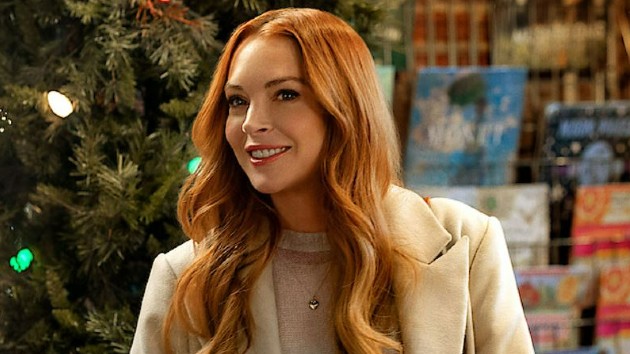
Appearing on The Simpsons offers a platform that is both prestigious and playful. It allows Lohan to participate in a cultural institution without the pressure of carrying a project on her own. This type of role aligns well with her current career phase emphasizing presence rather than spectacle.
For many viewers her voice carries memories of earlier performances creating an emotional bridge between past and present. In this way the casting resonates on multiple levels beyond the episode itself.
The Enduring Power of The Simpsons
The Simpsons has outlasted countless television trends and industry shifts. Its ability to integrate contemporary figures while honoring its own history is a key reason for its longevity. Moments like Maggie receiving a voice illustrate how the show continues to find new ways to engage audiences without abandoning its core identity.
This adaptability is particularly important in an era where animated series face increasing competition from streaming platforms and changing viewing habits. By creating moments that spark conversation and cultural reflection The Simpsons maintains its relevance.
Celebrity casting when done thoughtfully contributes to this strategy. Rather than relying solely on novelty the show uses recognizable voices to deepen storytelling and reinforce thematic ideas.
Pop Culture Significance of a Speaking Maggie
From a broader cultural perspective Maggie speaking represents a reminder of how small creative choices can generate outsized impact. In a media landscape saturated with constant content such moments stand out precisely because they are rare and deliberate.
This event also highlights the evolving relationship between animation and celebrity. Voice acting has become an increasingly respected and visible aspect of performance art. High profile actors now move fluidly between live action and animated roles bringing new dimensions to both.
By inviting Lindsay Lohan into the world of Springfield The Simpsons demonstrates how animation can serve as a space for reinvention and dialogue across generations of entertainment.
Balancing Tradition and Change
One of the greatest challenges for any long running series is knowing when to innovate and when to preserve tradition. The Simpsons has faced criticism at various points for leaning too heavily in one direction or the other. Moments like this suggest a careful recalibration.
Allowing Maggie to speak does not undermine her identity because it is framed as an exception rather than a new norm. Similarly casting a celebrity known for a complex public narrative adds depth rather than distraction when handled with care.
This balance reflects a mature creative philosophy that values both experimentation and restraint. It acknowledges that audiences appreciate novelty when it respects the essence of what they love.
The Broader Trend of Celebrity Voice Roles
Lindsay Lohan’s appearance fits into a larger trend of celebrities embracing voice acting as a meaningful form of expression. Animated series and films increasingly attract actors who see the medium as an opportunity for creative exploration.
This trend benefits audiences by bringing diverse voices and perspectives into animation. It also challenges outdated notions that voice acting is secondary to on screen performance. In many cases it demands equal if not greater skill and sensitivity.
The Simpsons remains a benchmark for how to integrate celebrity voices without overshadowing its core ensemble. By selecting roles that complement rather than dominate the narrative the show maintains coherence and depth.
Looking Ahead for Maggie and The Simpsons
It is unlikely that Maggie Simpson will become a regularly speaking character. Her silence remains integral to her role within the family dynamic. However moments like this open the door for occasional experimentation when the story warrants it.
For The Simpsons the challenge moving forward is to continue finding these meaningful moments that resonate with long time fans while attracting new viewers. Thoughtful casting and narrative intention will remain central to that effort.
As the show approaches new milestones its ability to surprise without alienating will determine its ongoing cultural relevance.
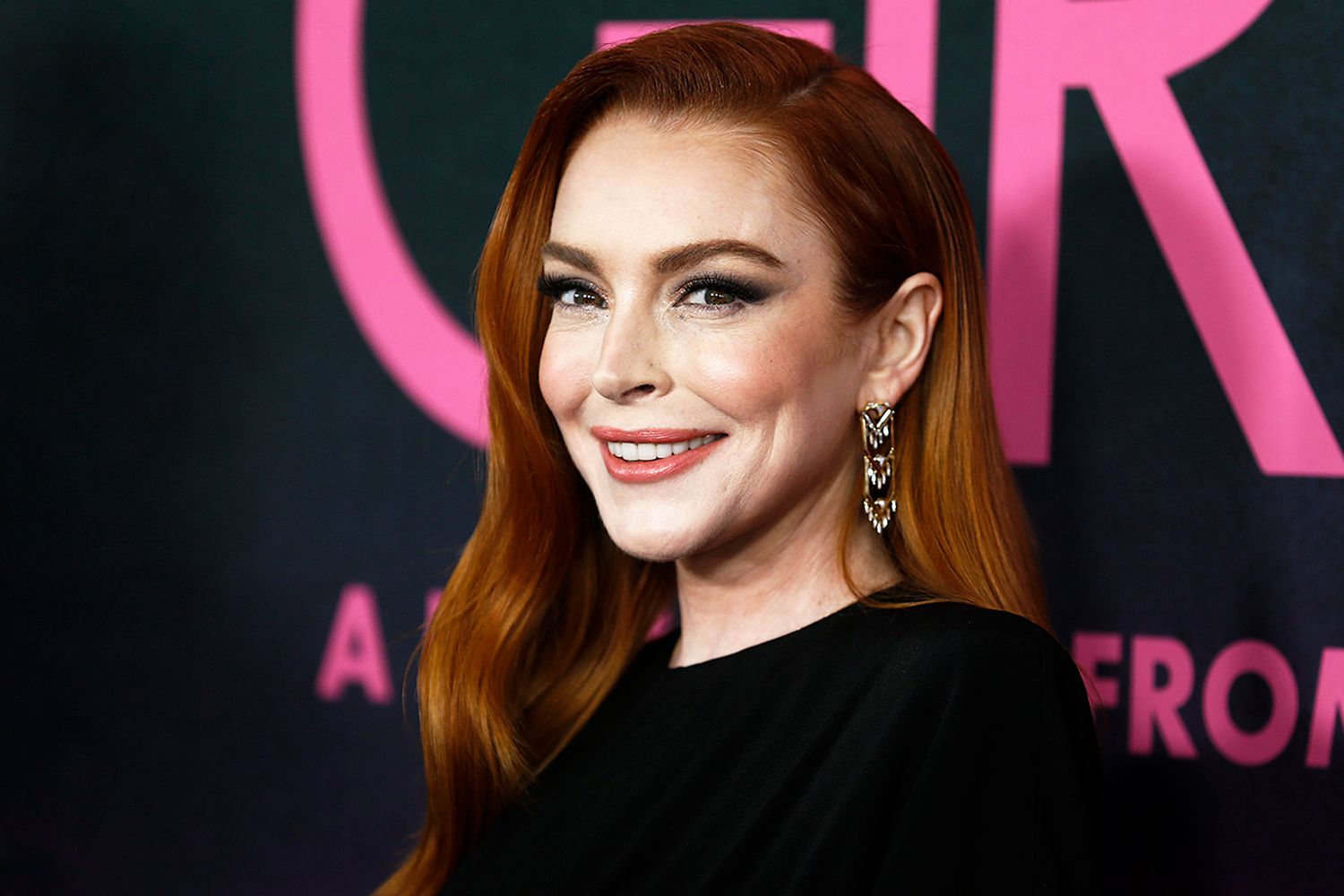
Lindsay Lohan voicing Maggie Simpson represents more than a clever casting choice. It is a moment that encapsulates the enduring appeal of The Simpsons and the evolving nature of celebrity and animation. By giving voice to one of television’s quietest characters the show reminds audiences of its creative confidence and cultural insight.
For Lohan the role offers a subtle yet powerful presence within a beloved institution. For viewers it provides a moment of reflection surprise and connection across generations of pop culture.
In a series built on observation humor and reinvention even a few spoken words from Maggie can speak volumes.
How to Create a BlogBio Account and Launch Your Free Blog: The Complete Step-by-Step Guide for Publisher